
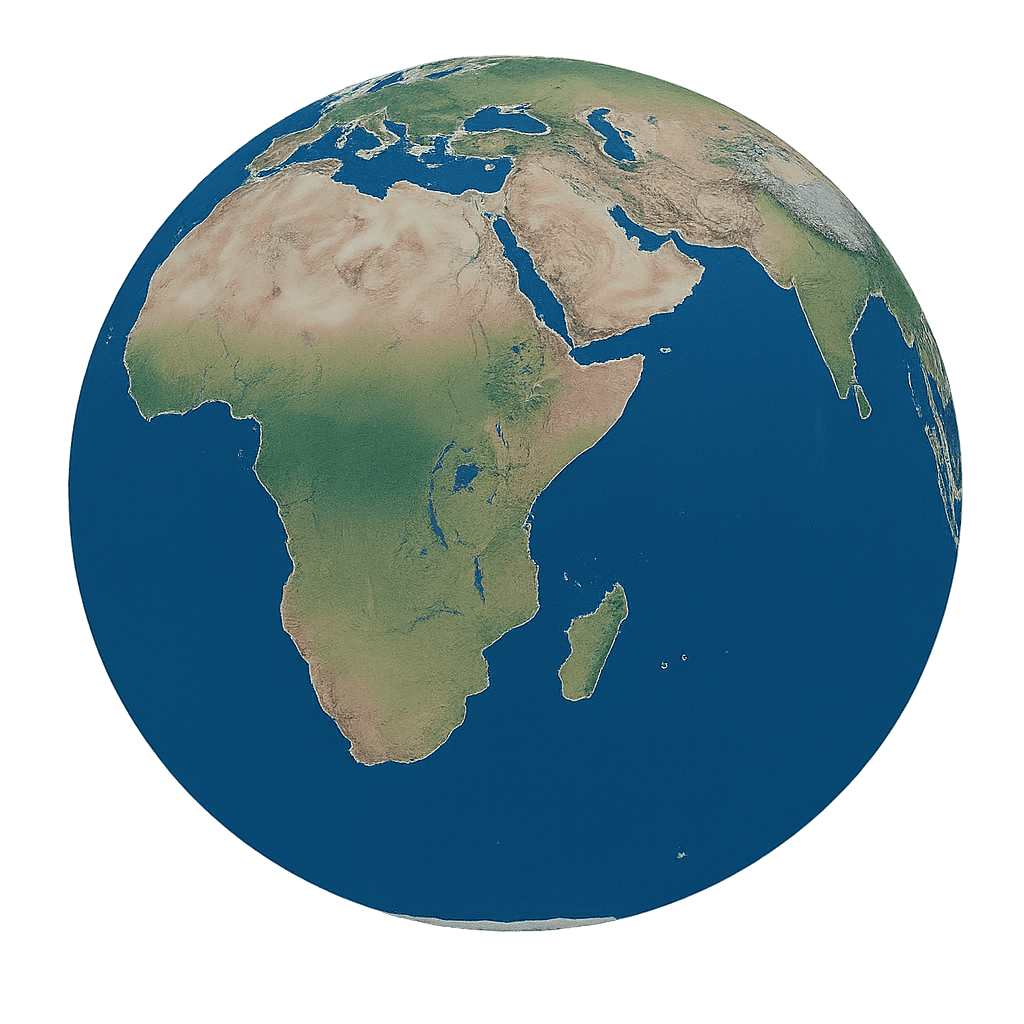
Weather-from-Kourou: Teledyne Space Imaging’s CIS111 detector is flying on ESA’s Meteosat Third Generation Imager-2 (MTG-I2), launched by Ariane 6 from French Guiana to boost Europe’s near-real-time monitoring with rapid-scan Earth observations every 2.5 minutes and continuous lightning detection. Inside the launch flow: A look at how Ariane 6 hardware is built and shipped to Kourou—core stage from France, upper stage from Germany—then integrated and prepared in a control room built for speed and security. Earth-observation hardware milestone: MTG-I2’s Flexible Combined Imager uses a large-pixel, radiation-hardened CIS111 with very large rhombus pixels and anti-reflection coating to improve imaging performance from geostationary orbit. European launch independence: ESA signed first European Launcher Challenge contracts worth €543.6M for Rocket Factory Augsburg, PLD Space, and Isar Aerospace, with milestone-based funding and a requirement to demonstrate orbital capability by 2028. Agriculture monitoring from orbit: Engineers are integrating ESA’s FLEX satellite at Kourou for a September 14 launch, aiming to measure photosynthesis activity in crops and forests to spot drought stress earlier than traditional greenness-based sensors. Regional health leadership: PAHO/WHO named Dr. Eva Jané Llopis as its representative for Barbados and the Eastern Caribbean, covering French Caribbean departments including French Guiana.
AGP Executive Report
Your go-to archive of top headlines, summarized for quick and easy reading.
Note: AI summary from news headlines; neutral sources weighted more to help reduce bias in the result. Feedback is welcome. Please let us know if you have any comments or suggestions about the AGP Executive Report.
Ariane 6 at Kourou: ESA has successfully launched the Meteosat Third Generation Imager-2 (MTG-I2) from French Guiana, completing the first trio of the new weather constellation and setting up faster, more frequent Earth observation for Europe and North Africa. Disaster-ready forecasting: MTG-I2’s Flexible Combined Imager will scan the atmosphere every 2.5 minutes, helping forecasters track storms, floods, and wildfires sooner, with a Lightning Imager for day-and-night detection. Local tech supply chain: The mission highlights how Ariane 6 is built for speed and cost—core and upper stages arrive “ready to fly,” shipped to Kourou by the Canopée cargo vessel. European launch competition: ESA also signed the first European Launcher Challenge contracts—€186.9M for Rocket Factory Augsburg, €158.9M for PLD Space, and €197.8M for Isar Aerospace—funding milestones through 2028 to expand Europe’s independent access to orbit. Agriculture from orbit: At Europe’s Spaceport, engineers integrated ESA’s FLEX satellite for a September 14 launch, aiming to measure real photosynthesis stress in crops and forests, not just how green plants look. Health leadership in the region: Dr. Eva Jané Llopis started as PAHO/WHO Representative for Barbados and the Eastern Caribbean, with her portfolio also covering French Caribbean departments including French Guiana.
Geostationary Weather Upgrade (MTG-I2): ESA’s Meteosat Third Generation Imager-2 (MTG-I2) has launched on Ariane 6 from Kourou, carrying a Teledyne CIS111 detector in the Flexible Combined Imager. Once in geostationary orbit, it will scan Europe and North Africa every 2.5 minutes and add continuous lightning detection to improve near-real-time warnings for storms, floods, wildfires, and air-quality monitoring. Spaceport Momentum (Kourou): The MTG-I2 launch keeps French Guiana at the center of Europe’s weather-satellite push, with the first trio of MTG spacecraft now taking shape for full operations after commissioning. European Launch Competition (ELC Contracts): ESA has signed the first European Launcher Challenge deals worth €543.6M total—€197.8M for Isar Aerospace (Spectrum), €186.9M for Rocket Factory Augsburg (RFA One), and €158.9M for PLD Space (Miura 5)—with milestone-based funding and a requirement to demonstrate orbital capability before 2028. Earth-Observation for Agriculture (FLEX): At Europe’s Spaceport in Kourou, engineers have integrated ESA’s FLEX satellite for a September 14 launch, aiming to measure crop and forest photosynthesis stress from orbit to spot drought impacts earlier than traditional “greenness” indicators. Tech for Travelers (Kyivstar Travel SIM): Kyivstar launched a travel-focused eSIM for mobile data roaming, available in 38 countries and also in French Guiana and Guadeloupe/Martinique.
Weather Tech from Kourou: ESA’s Meteosat Third Generation Imager-2 (MTG-I2) has launched on Ariane 6 from French Guiana, bringing faster, more detailed geostationary monitoring for Europe and North Africa, including rapid scans every 2.5 minutes and continuous lightning detection. Space Launch Industry: ESA has signed the first European Launcher Challenge contracts, committing €543.6M across Rocket Factory Augsburg (€186.9M), PLD Space (€158.9M), and Isar Aerospace (€197.8M), with funding released in milestones and a requirement to reach orbit before 2028. Next Earth-Observation Mission: Engineers at the Guiana Space Centre have integrated ESA’s FLEX satellite for a September 14 Vega-C launch, aiming to measure real photosynthesis stress in crops and forests from space. Connectivity in the Region: Kyivstar launched a Travel SIM eSIM for mobile data roaming, available in 38 countries and also in Guadeloupe, Martinique, and French Guiana. Health Leadership: Dr. Eva Jané Llopis started as PAHO/WHO Representative for Barbados and the Eastern Caribbean, covering French Caribbean departments including French Guiana.

Meteosat Weather Upgrade from Kourou: ESA’s MTG-I2 weather satellite has launched on Ariane 6 from French Guiana, bringing faster, more detailed geostationary views over Europe and North Africa every 2.5 minutes, plus continuous lightning detection to improve warnings for storms, floods, and wildfires. Spaceport Tech in Action: Teledyne Space Imaging’s CIS111 detector is flying inside MTG-I2’s Flexible Combined Imager, marking another step for the Meteosat Third Generation system run by EUMETSAT. European Launch Sovereignty: ESA signed the first European Launcher Challenge contracts—€186.9M for Rocket Factory Augsburg (RFA One), €158.9M for Spain’s PLD Space (Miura 5), and €197.8M for Isar Aerospace (Spectrum)—with milestone-based funding and a push to prove orbital launch capability by 2028. Agriculture from Orbit: Engineers at Kourou integrated ESA’s FLEX satellite for a September 14 launch, aiming to measure how active photosynthesis really is in crops and forests to spot drought stress earlier. Connectivity for Travelers: Kyivstar launched a Travel SIM eSIM for mobile internet roaming, available in French Guiana among other destinations.
Space Weather & Earth Observation: Teledyne Space Imaging’s CIS111 detector has flown on EUMETSAT’s Meteosat Third Generation Imager-2 (MTG-I2), launched by Ariane 6 from Kourou in French Guiana, bringing faster Europe–North Africa weather scans every 2.5 minutes and continuous lightning detection to support earlier warnings for severe storms, floods, and wildfires. Launch Industry in Europe: ESA has signed the first European Launcher Challenge contracts, committing €543.6M across Rocket Factory Augsburg (€186.9M), PLD Space (€158.9M), and Isar Aerospace (€197.8M), with funding released in milestones and providers needing orbital capability before 2028. Local Tech Angle (French Guiana): PLD Space’s MIURA 5 work is tied to a French Guiana launch-site plan, keeping the region plugged into Europe’s push for more sovereign launch options. Agriculture From Orbit: At Europe’s Spaceport in Kourou, engineers have integrated ESA’s FLEX satellite for a September launch, aiming to measure crop and forest photosynthesis under drought stress—going beyond “greenness” to detect the stress process itself. Connectivity in the Region: Kyivstar launched a Travel SIM eSIM for roaming data in 38 countries, including service availability in Guadeloupe, Martinique, and French Guiana.
Space Launch & Weather Tech: ESA has launched the MTG-I2 weather satellite on an Ariane 6 from Kourou, completing the first trio of Meteosat Third Generation spacecraft. Once commissioned, MTG-I2 will scan Europe and North Africa every 2.5 minutes with high-resolution imagery, helping meteorologists spot storms, floods, wildfires, and air-quality shifts sooner, and it carries a Lightning Imager for day-and-night strike mapping. European Launcher Challenge (ELC): ESA also signed the first ELC contracts to expand Europe’s independent launch supply: Isar Aerospace (€197.8M) for Spectrum, Rocket Factory Augsburg (€186.9M) for RFA One, and PLD Space (€158.9M) for MIURA 5 scaling plus upgrades toward propulsive landing and higher orbital capability. Local Tech Angle (French Guiana): With Ariane 6 continuing to fly from Kourou, French Guiana remains a key hub for Europe’s next-generation Earth observation and launch capacity. Mobile Connectivity: Kyivstar launched a Travel SIM eSIM for roaming data in 38 countries, including French Guiana.
European Launch Boost: ESA has started signing the first European Launcher Challenge contracts to cut reliance on non-European rockets, with Spain’s PLD Space winning a €158.9M deal for MIURA 5 scaling to 2030 plus upgrades for higher payload reach and propulsive landing steps toward reusability. More ESA Providers: ESA also signed the first ELC awards for Isar Aerospace and Rocket Factory Augsburg, targeting Spectrum and RFA One launches from Norway and the UK. Kourou Launch Watch: Engineers at the Guiana Space Centre have bolted ESA’s FLEX satellite to its Vega-C adapter ahead of a September 14 liftoff, aiming to measure real photosynthesis activity in crops and forests under drought stress. Local Connectivity: Kyivstar launched a Travel SIM eSIM for mobile data roaming in 38 countries, with availability also listed for Guadeloupe, Martinique, and French Guiana. Space Tech Timeline: Artemis (launched from Kourou in 2001) is a retired ESA geostationary relay mission now in graveyard orbit, while this week’s launch calendar includes ESA’s MTG-I2 weather satellite from Kourou on Aug. 27. Health Leadership: Dr. Eva Jané Llopis began her PAHO/WHO role for Barbados and the Eastern Caribbean, covering French Caribbean departments including French Guiana.
Space & Weather: ESA is targeting an Ariane 62 launch from the Guiana Space Centre for MTG-I2, a new Meteosat Third Generation weather satellite aimed at sharper forecasting across Europe and northern regions. Earth Observation for Agriculture: At Kourou, engineers bolted ESA’s FLEX satellite to its Vega-C adapter for a September 14 liftoff; FLEX is built to detect how hard plants’ photosynthesis machinery is working, not just how green crops look—key for spotting drought stress early. Satellite Industry: A new report projects the global satellite market to grow to US$15.52B by 2035, driven by commercial missions and defense demand. Public Health Leadership: PAHO/WHO named Dr. Eva Jané Llopis as its representative for Barbados and the Eastern Caribbean, with her remit explicitly including French Caribbean departments such as French Guiana. Mobile Connectivity: Kyivstar launched a travel eSIM for mobile data roaming in 38 countries, including French Guiana, letting users pay only for selected data packages. Space History (Kourou link): Artemis—an ESA geostationary telecom satellite—was launched from Kourou in 2001 and later moved to support L-band rights.
Spaceport Watch (Kourou): ESA’s Meteosat Third Generation Imager 2 (MTG-I2) is set for an Aug. 27 Ariane 6 launch from French Guiana, bringing faster, sharper weather scans (full-disk every 10 minutes, 0.5 km resolution) to improve severe-storm detection and nowcasting. Satellite Tech (Earth observation): Engineers at Kourou have integrated ESA’s FLEX crop-stress satellite for a September 14 Vega-C launch, aiming to measure real photosynthesis activity inside plants—catching drought stress before visible symptoms. Global Space Industry: A new report projects the satellite market growing to US$15.52B by 2035, driven by commercial missions and defense demand. Mobile Connectivity (French Guiana included): Kyivstar launched a travel eSIM for mobile data roaming in 38 countries, with service also available in Guadeloupe, Martinique, and French Guiana. Public Health Leadership (Caribbean + French Caribbean): Dr. Eva Jané Llopis started as PAHO/WHO Representative for Barbados and the Eastern Caribbean, with her remit explicitly covering French Caribbean departments including French Guiana.
Spaceport Watch (Kourou): ESA’s MTG-I2 weather satellite is set for an Aug. 27 Ariane 6 launch from the Guiana Space Centre, bringing faster, sharper scans over Europe every 2.5 minutes to better spot and forecast severe storms. Earth-Observation Breakthrough: Engineers have integrated ESA’s FLEX crop-stress sensor at Kourou for a September launch, aiming to detect real photosynthesis stress from orbit—so drought damage can be caught before plants look “fine.” Global Space Industry: A new report projects the satellite market growing to US$15.52B by 2035 as commercial missions and defense spending expand. Satellite & Launch Roundup: NASA’s Roman Space Telescope is scheduled to launch Aug. 30, while Starlink missions continue with booster landings planned in the Atlantic and Pacific. Health & Regional Tech Links: Dr. Eva Jané Llopis has started as PAHO/WHO Representative for Barbados and the Eastern Caribbean, covering cooperation that also reaches French Caribbean departments including French Guiana. Connectivity for Travelers: Kyivstar launched a separate travel eSIM for mobile data roaming in 38 countries, including French Guiana, with users paying only for chosen data packs. Mining & Exploration: Gold Fields is boosting its stake in Suriname’s Founders Metals to just under 20% to help fund full ownership of the Antino gold project and expand regional exploration.
Spaceport Watch (French Guiana): ESA’s MTG-I2 weather satellite is set for an Aug. 27 Ariane 6 launch from Kourou, bringing faster, sharper Europe-wide storm monitoring with rapid-scan imagery every 2.5 minutes and improved resolution and scanning speed. Earth-Observation Breakthrough: Engineers have completed a key integration step for FLEX, the crop-stress sensor from orbit, designed to detect real photosynthesis stress in fields and forests—aiming to spot drought damage before it shows up visually. Global Space Signals: NASA’s Roman Space Telescope is preparing for launch Aug. 30, while Starlink missions continue with booster landings planned in both the Atlantic and Pacific. Satellite Industry Outlook: A new market report projects the global satellite market growing to US$15.52B by 2035, driven by communications, Earth observation, navigation, weather, and defense demand. Health & Regional Cooperation: Dr. Eva Jané Llopis has started as PAHO/WHO Representative for Barbados and the Eastern Caribbean, tasked with strengthening resilient, equitable health systems across the region, including French Caribbean departments like French Guiana. Mining & Exploration (Suriname): Gold Fields is boosting its stake in Founders Metals to just under 20% to help fund full ownership of the Antino gold project in Suriname’s Guiana Shield. Launch Economics (Europe): Europe has shelved Ariane 6 Block 3 upgrades as costs and funding shortfalls bite, signaling a more cautious approach to future performance improvements.
Space Launches from French Guiana: ESA’s MTG-I2 weather satellite is set for an Aug. 27 Ariane 62 launch from the Guiana Space Centre in Kourou, bringing faster, sharper Europe-wide monitoring (full-disk scans down to 10 minutes and 0.5 km visible resolution) to improve severe-weather detection and nowcasting. Earth Observation for Agriculture: Engineers at Kourou have completed a key integration step for ESA’s FLEX satellite, which aims to measure real photosynthesis performance in crops and forests—spotting drought stress earlier than today’s “looks-green” indicators. Global Space Economy: A new report projects the satellite market growing from US$5.32B in 2025 to US$15.52B by 2035, driven by Earth observation, defense demand, and small-satellite constellations. Regional Tech & Health Links: Dr. Eva Jané Llopis has started as PAHO/WHO Representative for Barbados and the Eastern Caribbean, coordinating technical cooperation with regional health ministries, including French Caribbean departments such as French Guiana. Mining Tech Watch: Gold Fields is increasing its stake in Suriname-focused Founders Metals to just under 20%, backing exploration tied to the Antino gold project. Rocket Program Update: Europe has shelved Ariane 6 Block 3 performance upgrades after funding shortfalls, signaling a more cautious path as reusability ambitions remain on the horizon.
Earth Observation & Agriculture: Engineers at Europe’s Spaceport in Kourou bolted ESA’s FLEX satellite to its Vega-C adapter on Aug. 23, setting up a Sept. 14 launch. FLEX is built to detect drought stress by measuring how hard plants’ photosynthesis machinery is working, not just how green they look. Weather Monitoring from Space: EUMETSAT’s Meteosat Third Generation Imager 2 (MTG-I2) is scheduled to launch Aug. 27 from Kourou on an Ariane 6 rocket, bringing faster, higher-detail scans every 2.5 minutes to improve severe-weather detection and nowcasting. Satellite Industry Outlook: A new market report projects the global satellite market will grow from US$5.32B (2025) to US$15.52B by 2035, driven by commercial missions, Earth observation demand, and defense needs. Regional Health Leadership: Dr. Eva Jané Llopis took over as PAHO/WHO Representative for Barbados and the Eastern Caribbean, tasked with strengthening resilient health systems across the region. Suriname Mining Deal: Gold Fields is lifting its stake in Founders Metals to just under 20% to back full ownership of the Antino gold project in Suriname, with closing expected in early September. Space Launch Economics: Europe shelved Ariane 6 Block 3 performance upgrades after funding fell short, a sign of how cost pressure is reshaping upgrade plans. Pan-Amazon Politics: The Pan-Amazon Social Forum (FOSPA) issued a declaration urging compliance with the Yasuní “leave oil in the ground” mandate amid wider regional energy and resource conflicts.
Space Weather & Climate Tech: EUMETSAT’s Meteosat Third Generation Imager 2 (MTG-I2) is set to launch Aug. 27 from Kourou on an Ariane 6, bringing faster, sharper monitoring for Europe with rapid-scan imagery every 2.5 minutes and improved resolution (0.5 km vs 1 km). Launch Industry Watch: Europe has shelved Ariane 6 Block 3 upgrades after funding fell short and ESA said no further development of the ICARUS upper stage was approved, signaling a shift toward what’s affordable now. Mining & Exploration Finance: Gold Fields is boosting its stake in Suriname-focused explorer Founders Metals to just under 20% (about 19.9%) with a ~US$55.7M investment, aiming to fully take over the Antino gold project and fund further regional exploration. Space Launches (Global): This week includes more Starlink missions plus China’s LandSpace Zhuque-3 rocket attempt, as operators push ahead after prior launch setbacks. Invasive Species Research: A study on cane toads introduced to Japan’s Ishigaki Island shows rapid evolutionary changes after a small founding group grew to ~20,000, offering lessons for managing invasive species.
Space Weather & Climate Monitoring: EUMETSAT’s Meteosat Third Generation – Imager 2 (MTG-I2) is set to launch on Aug. 27 from Kourou on an Ariane 6, bringing faster, sharper scans for Europe—every 2.5 minutes—so forecasters can spot and act on severe weather sooner. Satellite Tech Upgrade: MTG-I2 boosts resolution to 0.5 km (from 1 km), increases channel count to 16 (from 12), and cuts full-disk scanning to 10 minutes (from 15), joining MTG-I1 and MTG-S1 for a fuller dataset. Launch Industry Watch: Europe has shelved Ariane 6 Block 3 upgrades after funding fell short, with ESA saying no further development of the ICARUS upper stage was approved. Mining & Local Exploration Deals: Gold Fields is investing about US$55.7M to raise its stake in Suriname explorer Founders Metals to just under 20%, funding Founders’ move to take full ownership of the Antino gold project in southeastern Suriname. Global Space Launches: This week also includes LandSpace’s Zhuque-3 attempt in China and two more SpaceX Starlink missions, with boosters planned for recovery landings.
Mining Deal in Suriname: Gold Fields is boosting its stake in Founders Metals to just under 20%, investing about US$55.7M to buy 14.1M shares and fund Founders’ move to take full control of the Antino gold project, including the Lawa Gold N.V. assets. Space Weather & Disaster Readiness: EUMETSAT’s MTG-I2 imager is set to launch Aug. 27 from Kourou on Ariane 6, adding faster, sharper rapid-scan views over Europe every 2.5 minutes to improve severe-weather detection and nowcasting. Ariane 6 Cost Pressure: Europe has shelved Ariane 6 Block 3 upgrades after funding fell short and ESA said no further development of the ICARUS upper stage was approved, signaling a pragmatic pause while reusability remains the long-term goal. More Satellite Launches: SpaceX has multiple Starlink missions scheduled this week, while China’s LandSpace targets a Zhuque-3 launch—its methane-fueled rocket aiming for first-stage recovery after a prior test flight ended with a booster loss.
Space Weather & Disaster Response: EUMETSAT’s Meteosat Third Generation – Imager 2 (MTG-I2) is set to launch Aug. 27 from Kourou on an Ariane 6, bringing rapid-scan imagery over Europe every 2.5 minutes to improve severe-weather detection and nowcasting. Launch Tech in French Guiana: MTG-I2 boosts resolution (1km to 0.5km), increases channel count (12 to 16), and cuts full-disk scanning time (15 to 10 minutes), with a 10.7-year mission life. Global Space Industry Watch: This week also includes China’s LandSpace Zhuque-3 launch attempt and multiple SpaceX Starlink missions, highlighting how fast launch cadence is ramping up. Ariane 6 Budget Pivot: Europe has shelved Ariane 6 Block 3 performance upgrades after funding fell far short of requested adaptation money, with ESA citing no approved need for further ICARUS upper-stage evolution. Invasive Species Evolution: New research on cane toads introduced to Japan’s Ishigaki Island shows rapid evolutionary change after a small 1978 founding group grew to ~20,000.
Space Weather & Imaging: EUMETSAT’s Meteosat Third Generation – Imager 2 (MTG-I2) is set to launch on Aug. 27 from Kourou on an Ariane 6, bringing faster, sharper views of Europe’s storms. Launch Tech in Kourou: The MTG-I2 mission will add rapid-scan imagery every 2.5 minutes, with improved resolution (1km to 0.5km) and quicker full-disk scanning (15 to 10 minutes), aiming to better spot and forecast severe weather. Ariane 6 Budget Reality: Europe has shelved planned Ariane 6 Block 3 performance upgrades after funding fell short for key upper-stage and composite-tank tech, despite eight successful missions so far. More Satellite Launches: This week also includes China’s LandSpace Zhuque-3 attempt and multiple SpaceX Starlink launches, keeping the pace of constellation growth high. Invasive Species Evolution: A study on cane toads introduced to Japan’s Ishigaki Island shows rapid evolutionary shifts after a small 1978 founding group grew to about 20,000.
Space Weather & Earth Observation: EUMETSAT’s Meteosat Third Generation – Imager 2 (MTG-I2) is set to launch on Aug. 27 from Kourou on an Ariane 6, bringing faster, sharper monitoring for Europe. It will scan the full disk every 10 minutes (down from 15), boost visible resolution to 0.5 km (from 1 km), and increase channel count to 16, helping detect and nowcast severe weather sooner. Launch Industry Watch: Europe has shelved Ariane 6 Block 3 upgrades after funding fell short—ESA confirmed no approval for further development of the ICARUS upper stage and related composite tank tech at the 2025 ministerial council, despite eight successful Ariane 6 missions so far. Spaceflight Calendar: This week also includes more Starlink launches plus China’s LandSpace Zhuque-3 rocket, with the second flight aiming to recover a methane-fueled first stage after an earlier booster loss. Invasive Species Evolution: A study on Ishigaki Island shows cane toads introduced in 1978 (just 10–15 animals) grew to about 20,000 and evolved noticeable body-shape changes over decades.
Sign up for:
French Guiana Tech World
The daily local news briefing you can trust. Every day. Subscribe now.
Check Your Email!
We sent a one-time activation link to: .
Confirm it's you by clicking the email link.
If the email is not in your inbox, check spam or try again.
Welcome back!
is already signed up. Check your inbox for updates.